
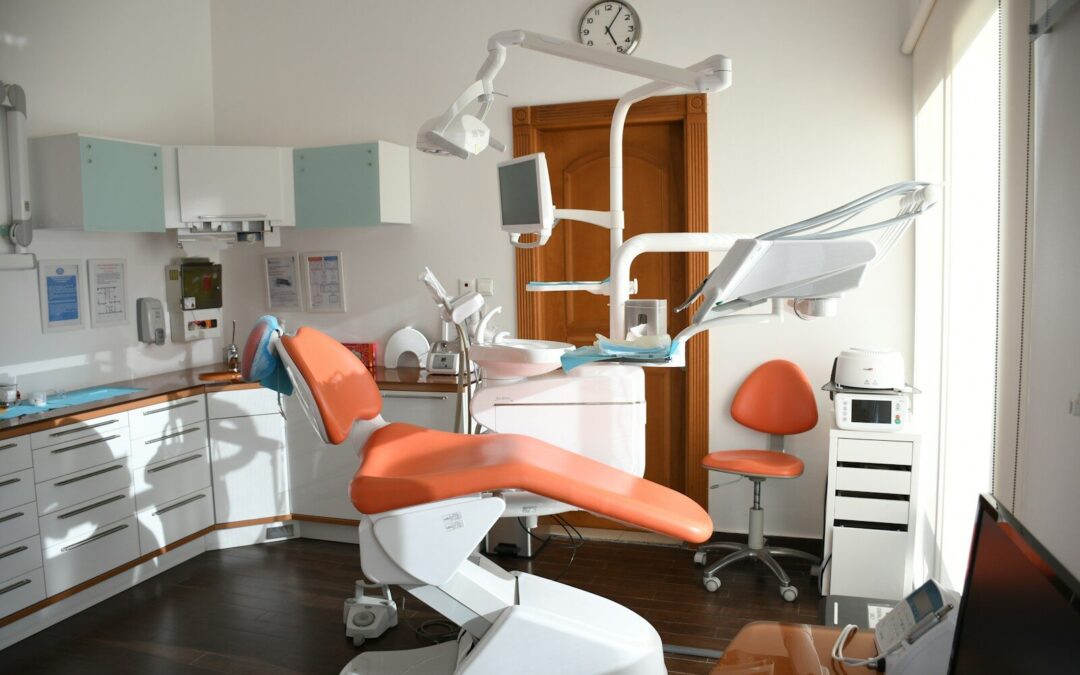
A dental emergency is any oral health condition that causes significant pain, uncontrolled bleeding, functional impairment, or poses a serious risk of infection if left unattended. The challenge many patients face is not knowing whether their situation truly demands same-day action or can wait for a routine scheduled visit.
As a general rule, if you are in severe pain, have visible swelling, or have lost a tooth due to trauma, that is an emergency. A minor sensitivity or a small chip that causes no pain can typically wait a few days for a regular appointment.
The most common dental emergencies patients experience include:
- Severe, Throbbing Toothache
- Broken or Knocked-Out Tooth
- Dental Abscess or Spreading Infection
- Oral Trauma with Uncontrolled Bleeding
Delaying urgent dental care is one of the costliest decisions a patient can make. A manageable infection left untreated can spread to the jawbone, neck, sinuses, or even the bloodstream, potentially leading to sepsis. What begins as a treatable abscess can escalate into a complex surgical case, or worse, result in permanent tooth loss.
Is It Really an Emergency? Recognising the Signs
Mild dental discomfort, such as sensitivity after eating something cold or minor gum soreness, does not typically require immediate care. A genuine dental crisis, on the other hand, involves symptoms that progress rapidly and do not ease with basic pain relief.
Key warning signs that signal a dental emergency include:
- Unrelenting dental pain and facial swelling
- A visible abscess or pimple-like bump on the gums
- Bleeding from the mouth that does not stop after 10-15 minutes of pressure
- A tooth that has been completely knocked out
For sudden dental pain that comes on without obvious cause, an online toothache doctor consultation can help triage the situation quickly. A virtual consult can help determine whether you need to visit in person immediately or whether monitoring the issue overnight is safe. However, if you have facial swelling, fever, or difficulty swallowing, no virtual consultation replaces a same-day in-person visit.
Is a chipped tooth an emergency? Not always. A minor chip that has no exposed nerve, causes no pain, and presents no sharp edge is generally a non-urgent issue. However, a deep fracture that exposes the inner pulp or nerve is an emergency, as it invites bacteria directly into the tooth and can trigger rapid infection.
Is a broken root canal tooth an emergency? Yes. A tooth that has been previously treated with root canal therapy can still fracture or become re-infected. When this happens, the structural integrity of the tooth is compromised, and the risk of bacterial entry into the root tip is high, requiring urgent evaluation.
Red flag symptoms that always require calling a dentist immediately:
- Facial swelling that is spreading or visibly growing
- Fever accompanying tooth pain
- Difficulty swallowing or breathing, which may indicate a deep space infection
Cracked, Broken and In Pain: What to Do Before You Reach the Dental Chair
While waiting for your emergency appointment, there are several safe and effective steps to manage pain at home. For cracked teeth pain relief, rinse your mouth thoroughly with warm salt water to reduce bacterial load and inflammation. Take an over-the-counter pain reliever such as ibuprofen or paracetamol at the recommended dose. If a broken tooth has left a sharp edge, dental wax or temporary dental cement from a pharmacy can cover the area and prevent soft tissue cuts.
To stop a broken tooth from hurting further, apply a cold compress wrapped in a cloth to the outside of your cheek for 15-20 minutes at a time. Avoid hard, crunchy, or very hot foods that could worsen the fracture or aggravate exposed nerve tissue. Keep the area as clean as possible by gentle brushing and flossing around, but not directly on, the damaged tooth.
What NOT to do:
- Do not place aspirin directly on the gum, this can cause a chemical burn to the gum tissue
- Do not ignore the pain and assume it will resolve on its own
- Do not attempt DIY fixes using super glue or similar adhesives, as these can cause further structural damage and make professional repair more difficult
For sleeping and eating comfort, keep your head elevated while resting to reduce pressure and throbbing. Stick to soft foods like yoghurt, mashed vegetables, or soup until you are seen by a dentist.
The timeline matters. A cracked tooth that reaches the pulp can develop a full-blown infection within 24 to 72 hours. If your pain is intensifying, swelling is increasing, or you develop a fever, home remedies are no longer sufficient. Call Dental Magik for a same-day emergency slot immediately.
How Dental Magik Handles Your Dental Emergency in East Brunswick, NJ
When you call Dental Magik for urgent care, you will receive fast phone triage from our team to assess the severity of your situation and schedule you as quickly as possible, often on the same day. For cases where no other option remains, our clinic also offers a dentist that pulls teeth same day when extraction is the only viable treatment.
Emergency treatments available at Dental Magik include:
- Cracked and broken tooth repair
- Emergency tooth extractions
- Abscess drainage and infection management
- Temporary and permanent crown placement
- Root canal therapy for broken or re-infected root canal teeth
Choosing an established dentist in East Brunswick, NJ for your dental emergency offers significant advantages over a walk-in urgent care clinic. At Dental Magik, we maintain complete patient records, which means our team can make informed, precise treatment decisions without starting from scratch. This continuity of care also ensures proper follow-up and long-term monitoring after your emergency is resolved.
The risk of waiting cannot be overstated. Untreated dental pain and swelling can escalate to a systemic infection with serious consequences including bacterial meningitis, infective endocarditis, and sepsis. Same-day action at Dental Magik does not just save your tooth — it protects your overall health.
Sources:
- https://yourdentalist.com/services/general-dentistry/emergency-care/
- https://yourdentalist.com/services/general-dentistry/root-canals/
- https://arthurstreetdental.com.au/blog/recognising-key-dental-emergency-symptoms-seek-care
- https://palatinedentalassociates.com/dental-emergencies-when-to-seek-immediate-care