
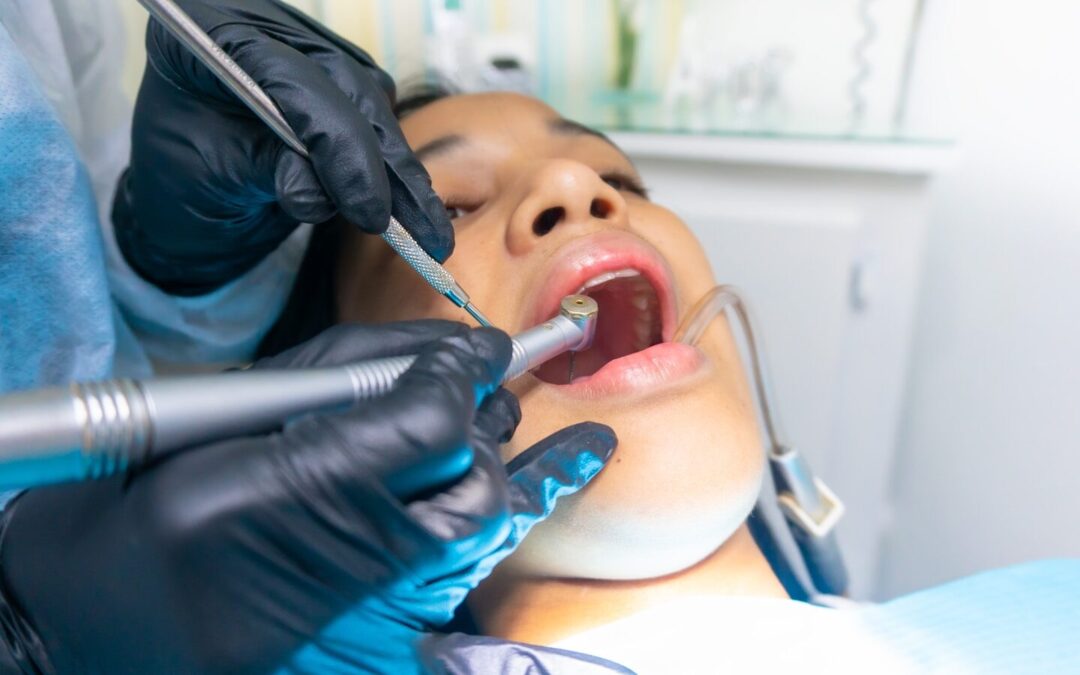
Sleep apnea severely disrupts sleep cycles and lowers blood oxygen levels, but its roots often lie in dental health. Misaligned jaws and poor tongue placement narrow the airway, causing breathing interruptions and teeth grinding. Regular dental screenings catch these anatomical warning signs early, paving the way for custom mouthguard therapies.
This blog explains how sleep apnea affects dental health, how dental appliances improve breathing, how dentists connect patients with specialists, and how integrated dental care supports better sleep outcomes.
Understanding Sleep Apnea and Its Connection to Dental Health
What Is Sleep Apnea?
Sleep apnea is a condition where breathing repeatedly stops and starts during sleep, disrupting sleep cycles and reducing oxygen levels in the blood. Obstructive sleep apnea (OSA), the most common type, occurs when throat muscles relax excessively, blocking the airway despite continued breathing efforts.
The Dental Health Connection
The link between sleep apnea and dental health, including jaw alignment and airway issues, is significant. Jaw misalignment, particularly when the lower jaw sits too far back, narrows the airway and can cause or worsen obstructive sleep apnea. Even mild jaw misalignment can restrict airflow during sleep, leading to breathing interruptions. Additionally, the tongue’s position is influenced by jaw alignment, and when the jaw is misaligned, the tongue may shift backward, partially obstructing the airway.
Sleep apnea also causes oral health problems. OSA-related teeth grinding (bruxism) places high stress on teeth and gums, potentially causing jaw abnormalities, periodontal disease, and increased tooth sensitivity.
Oral Signs Dentists Detect
Common oral signs dentists look for during routine checkups include:
- Worn tooth surfaces from grinding or clenching
- Scalloped tongue edges indicating tongue thrusting against teeth
- Enlarged tonsils or narrow airway space visible in the throat
- Reddened or irritated soft palate
- Small or recessed jaw structure
- Deep overbite or other bite misalignments
Why Early Screening Matters
Early screening matters for adults and children at a pediatric dentist in East Brunswick, NJ, clinic like Dental Magik because dentists see patients at least twice yearly and spend significant time examining the mouth, jaw anatomy, tongue, and throat. This regular access allows dentists to identify warning signs of sleep apnea that might go unnoticed during annual medical checkups. Early detection in children is particularly important, as addressing airway and jaw development issues can prevent lifelong breathing problems.
How Sleep Apnea Mouth Guards Work to Improve Breathing During Sleep?
How Dental Appliances Work?
A sleep apnea mouth guard, typically called a mandibular advancement device (MAD), is a custom-fitted oral appliance that gently shifts the lower jaw forward to keep the airway open throughout the night. By repositioning the jaw, the device prevents soft tissues in the throat from collapsing and obstructing airflow. This forward jaw position also helps keep the tongue from falling backward into the airway.
Custom vs. Over-the-Counter Devices
| Aspect | Custom Dental Appliances | Over-the-Counter Devices |
| Fit and Comfort | Precisely molded to your unique mouth structure, ensuring optimal jaw positioning and comfort. | Often fit poorly, causing discomfort and poor compliance |
| Effectiveness | Proper customization ensures the jaw is held at the exact position needed to maintain an open airway; even slight misalignment can render treatment ineffective. | Generic fit may not hold the jaw in the correct position, reducing effectiveness |
| Safety | Dentist-supervised appliances are adjusted based on your specific bite and jaw relationship, preventing potential jaw joint problems or tooth movement. | Lack of professional oversight increases risk of jaw joint issues or unintended tooth movement |
| Professional Monitoring | Come with ongoing dental supervision and adjustments as needed. | Typically lack professional monitoring or follow-up adjustments |
Benefits of Professional Fitting
Benefits of dentist-fitted mouth guards for comfort, safety, and long-term results include:
- Expert fitting by a sleep apnea dentist who ensures the device is tailored to your anatomical needs
- Ongoing monitoring and adjustments to maximize effectiveness over time
- Integration with comprehensive treatment plans that may include lifestyle changes or other therapies
- Higher compliance rates due to superior comfort compared to generic devices
Finding a Sleep Apnea Specialist Through Your Dentist
The Dentist’s Facilitating Role
How dentists help in finding a sleep apnea specialist for comprehensive care involves screening, referral, and coordination. While dentists cannot technically diagnose sleep apnea, they can facilitate the sleep study and referral to a sleep-focused physician. Dentists identify potential sleep apnea signs during routine exams and discuss symptoms with patients, then refer appropriate candidates for formal sleep evaluation.
Collaborative Care Model
Collaboration between dental clinics and sleep physicians for accurate diagnosis creates a team approach to treatment. This collaborative effort works as follows:
- The dentist identifies oral and jaw-related risk factors for sleep apnea.
- The patient is referred to a sleep physician for evaluation.
- The sleep physician orders and interprets a sleep study.
- If sleep apnea is diagnosed, the sleep physician prescribes appropriate treatment, which may include oral appliance therapy.
- The dentist then fabricates and fits the custom oral appliance.
- Both providers monitor progress and adjust treatment as needed.
Supporting Sleep Apnea Treatment With Advanced Dental Therapies
Managing sleep apnea and dental health together through preventive care recognizes that oral health directly affects airway function and sleep quality. Addressing periodontal disease, jaw alignment issues, and oral inflammation supports better breathing during sleep while protecting teeth and gums from OSA-related damage like bruxism.
How healthier gums and tissues support better airway function relates to reduced inflammation throughout the upper airway. Chronic oral inflammation can contribute to swelling and tissue changes in the throat and airway passages. Controlling gum disease and oral infections helps maintain optimal airway dimensions and reduces factors that contribute to airway collapse during sleep.
Comprehensive Long-Term Approach
Long-term sleep improvement through integrated dental and sleep-focused care requires:
- Regular dental visits to monitor oral appliance fit and effectiveness
- Periodontal care to control gum disease and inflammation
- Orthodontic evaluation when jaw alignment issues contribute to OSA
- Coordination with sleep physicians for ongoing assessment
- Lifestyle counseling on weight management, sleep position, and habits affecting sleep quality
At Dental Magik in East Brunswick, Dr. Hasan Hussaini and the team provide this comprehensive approach, recognizing that effective sleep apnea management requires addressing both the mechanical aspects of airway obstruction and the overall health of oral structures.
Cited Sources
- https://miamiorthodontistgroup.com/blog/the-connection-between-sleep-apnea-and-orthodontic-health-how-proper-alignment-can-improve-breathing
- https://www.anchoragesmiles.com/patient-education/connection-tmj-disorders-sleep-apnea/
- https://pmc.ncbi.nlm.nih.gov/articles/PMC11274061/
- https://www.ccrdonline.com/blog/dentist-treat-sleep-apnea-caused-misaligned-jaw/50074
- https://www.thedentalfamily.com/treat-sleep-apnea-and-prevent-snoring-with-custom-mouthguards/
- https://www.meetdandy.com/articles/how-dental-can-play-a-part-in-sleep-apnea-diagnosis/
- https://www.balajidentalbraces.com/blogs/how-sleep-and-breathing-issues-can-be-related-to-jaw-alignment
- https://www.sleepandtmjutah.com/customized-sleep-apnea-mouth-guards
- https://www.meetdandy.com/learning-center/articles/how-dental-can-play-a-part-in-sleep-apnea-diagnosis/