
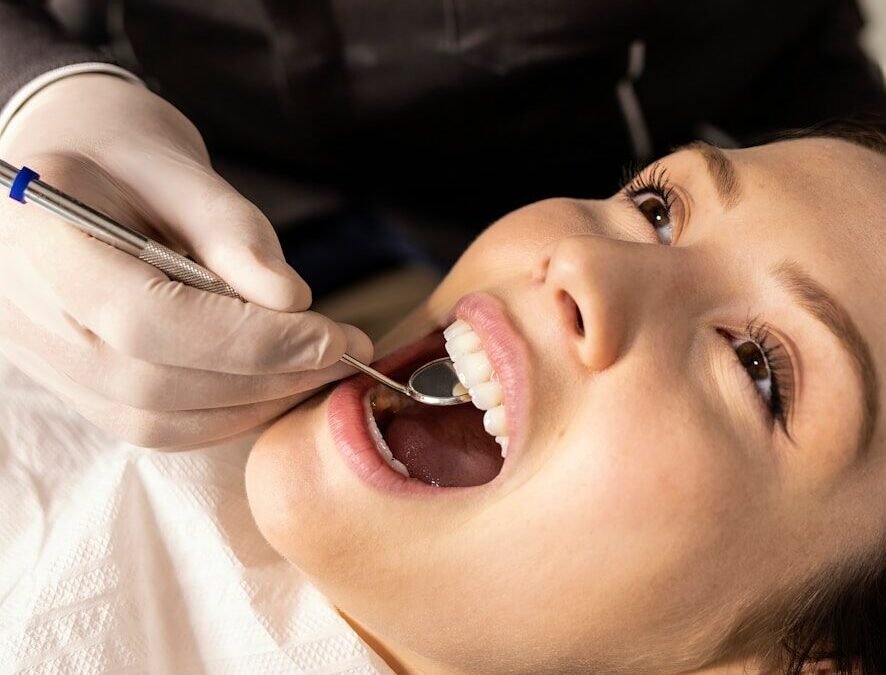
Pulpitis is inflammation of the dental pulp, the soft tissue inside the tooth that contains nerves and blood vessels. The pulp sits within a hard, enclosed space formed by dentine and enamel. When bacteria from decay, a crack or trauma irritate the pulp, it responds with inflammation. Because the pulp cannot expand freely, swelling creates pressure that compresses nerves and blood vessels. This pressure often feels like a sharp, throbbing or lingering toothache. This condition lies at the heart of most toothaches caused by decay, cracks or trauma.
Reversible and Irreversible Pulpitis: The Two Faces of Pulp Inflammation
- Reversible and irreversible pulpitis describe two distinct stages of pulpal inflammation. In reversible pulpitis, the pulp is inflamed but still capable of healing once the irritant is removed. The inflammation has not caused permanent damage to the blood supply or nerve tissue. In irreversible pulpitis, the inflammation has progressed beyond the pulp’s ability to recover without intervention. The pulp will not return to health on its own, even if the decay or irritant is removed. At this stage, the pulp is either dying or already necrotic in parts.
- Why Early Diagnosis Changes the Course of Treatment: Recognising which stage a patient is in determines whether a simple filling can resolve the problem or whether root canal treatment becomes necessary. Early diagnosis can preserve tooth vitality, prevent spread of infection and avoid more complex, costly treatment later. A tooth treated at the reversible stage often remains vital and strong for many years. A tooth that progresses to irreversible pulpitis may require root canal therapy or extraction, and delaying care can lead to abscess formation, swelling and bone loss around the root.
- Recognising Reversible Pulpitis Symptoms Before They Worsen: The classic reversible pulpitis symptom is brief, sharp pain triggered by cold, sweet foods or air that stops within seconds once the stimulus is removed. Patients typically report no spontaneous pain, no throbbing and no night-time disturbance. The tooth is usually not tender to tapping or biting. Pain is predictable and clearly linked to a trigger, such as drinking cold water, eating ice cream or breathing cold air over exposed dentine.
- Acute Reversible Pulpitis: How Sudden Sensitivity Signals a Warning: Sudden sensitivity that began after a recent filling, crown preparation or whitening treatment can indicate acute reversible pulpitis. This form often presents as exaggerated but short-lived pain to cold or sweet stimuli, without lingering discomfort once the trigger is gone. The pulp is irritated but not permanently damaged. With appropriate management, such as replacing a leaking restoration or applying desensitising agents, the symptoms usually resolve completely.
Why This Stage Is Still Manageable Without Losing the Tooth
Because the pulp remains vital and capable of healing, treatment focuses on removing the irritant and protecting the pulp. The dentist may remove decay, place a protective liner or base under a new filling and monitor the tooth. With timely care, the tooth can recover fully without needing root canal therapy. Preserving pulp vitality is important because a vital tooth tends to be stronger and less prone to fracture than a non-vital, root-treated tooth.
| Trigger | Reversible pulpitis pattern | Irreversible pulpitis pattern |
| Cold | Sharp pain that stops within seconds | Pain that lingers 30 seconds to minutes |
| Heat | Mild or no pain | Often severe, may linger |
| Sweet or air | Brief sensitivity | May trigger lingering pain |
| No trigger | No spontaneous pain | Spontaneous throbbing is common. |
| Night | Usually no night pain | Night pain that can wake patients |
| Biting or tapping | Usually comfortable | May be tender if inflammation spreads |
What Causes Irreversible Pulpitis to Develop From Untreated Decay or Trauma?
The most common pathways include deep untreated decay reaching the pulp, cracked teeth that allow bacterial ingress, trauma, repeated invasive procedures and chronic grinding or clenching that gradually compromises pulpal health. Over time, these factors can push a reversible inflammation into an irreversible state. Once bacteria invade the pulp chamber, the immune response intensifies, blood flow becomes compromised and parts of the pulp begin to die. This process can occur over weeks or months, sometimes with fluctuating symptoms that confuse patients.
Irreversible pulpitis presents with lingering pain that lasts 30 seconds to minutes after hot or cold exposure, spontaneous throbbing pain that starts without any trigger and night pain that can wake the patient. Pain may worsen when lying down and can be difficult to localise to a single tooth. Heat often aggravates the pain more than cold in later stages. Some patients report that cold water temporarily relieves pain because it reduces pressure within the inflamed pulp. This pattern strongly suggests irreversible damage rather than simple sensitivity.
Why This Stage Often Requires More Extensive Intervention
Once the pulp cannot heal, options narrow to root canal therapy to remove the inflamed tissue and save the tooth, or extraction if the tooth is non-restorable or the patient prefers not to pursue endodontic care. Root canal treatment cleans and seals the root canal system to prevent further infection. Without treatment, the pulp may become completely necrotic, leading to infection at the root tip, abscess formation and potential spread to surrounding bone and soft tissues.
| Feature | Reversible pulpitis | Irreversible pulpitis |
| Pain duration after stimulus | Seconds (usually 1–2 s) | 30 seconds to minutes |
| Spontaneous pain | Absent | Common, maybe severe |
| Night pain | Uncommon | Common, may wake patient |
| Swelling or sinus tract | Uncommon | Possible if infection spreads |
| Percussion tenderness | Usually absent | Maybe present |
| Typical treatment | Remove irritant, restore tooth | Root canal or extraction |
| Pulp status | Vital and healable | Inflamed beyond repair or necrotic |
Diagnosis, Treatment and Knowing Which Stage You’re In
Dentists use cold testing to measure lingering responses, percussion tests to check for inflammation spreading beyond the tooth and X-rays to assess decay depth and periapical changes. Electric pulp testing may help determine if the pulp is still vital. These tools help answer how to know if pulpitis is reversible or irreversible with greater confidence. A tooth with reversible pulpitis usually shows a sharp but short response to cold and no tenderness to tapping. A tooth with irreversible pulpitis often shows a lingering response to cold or heat and may be tender to percussion if inflammation has spread to the surrounding ligament.
Reversible pulpitis treatment typically involves removal of decay, replacement of a leaking or defective restoration, application of desensitising agents or liners and monitoring to ensure symptoms resolve completely. The dentist may place a protective base under a new filling to insulate the pulp from temperature changes. In some cases, a desensitising varnish or bonding agent reduces fluid movement in exposed dentinal tubules. The goal is to eliminate the irritant while preserving pulp vitality. Follow-up visits confirm that pain has resolved and the tooth remains healthy.
Treatment for Irreversible Pulpitis: Root Canal Therapy and Beyond Once the pulp cannot heal, options narrow to root canal therapy to remove the inflamed tissue and save the tooth, or extraction if the tooth is non-restorable or the patient prefers not to pursue endodontic care. Root canal treatment cleans and seals the root canal system to prevent further infection. The dentist removes the diseased pulp, shapes the canals, disinfects the space and fills it with a biocompatible material. A crown is often placed afterwards to protect the tooth from fracture. If the tooth cannot be saved, extraction prevents ongoing infection and allows replacement with an implant, bridge or denture.
Protecting Your Family’s Smiles Starts With Early Detection
Tooth pain in children can be difficult to interpret, which is why timely evaluation matters. Children may struggle to describe whether pain is sharp, lingering or spontaneous. They may simply avoid chewing on one side or become irritable when eating cold or sweet foods. Parents should watch for changes in eating habits, sleep disturbance due to tooth pain or visible swelling on the gum or face.
If your child is experiencing dental discomfort, our pediatric dentist in East Brunswick, NJ team at Dental Magik can help identify the cause and recommend the right course of care before it progresses. Early assessment can distinguish between simple sensitivity, reversible pulpitis and more advanced disease. Prompt treatment preserves tooth structure, reduces pain and prevents more invasive procedures later. Regular check-ups, good oral hygiene and early attention to symptoms form the foundation of long-term dental health for the whole family.
Sources
- https://www.merckmanuals.com/professional/dental-disorders/common-dental-disorders/pulpitis
- https://my.clevelandclinic.org/health/diseases/23536-pulpitis
- https://jcda.ca/article/d90
- https://www.augusta.edu/dentaltable/pdfs/goals/relievepain/sortingOut6.pdf
- https://www.dentalcare.com/en-us/ce-courses/ce562/pulpal-diagnosis
- https://www.acutedentalproblems.sdcep.org.uk/guidance/management-of-oral-conditions/common-oral-conditions/pulpitis/
- https://www.aapd.org/globalassets/assets/1/7/g-pulp.pdf
- https://dentalmagik.com/services/family-dentistry/pediatric-dentistry/