
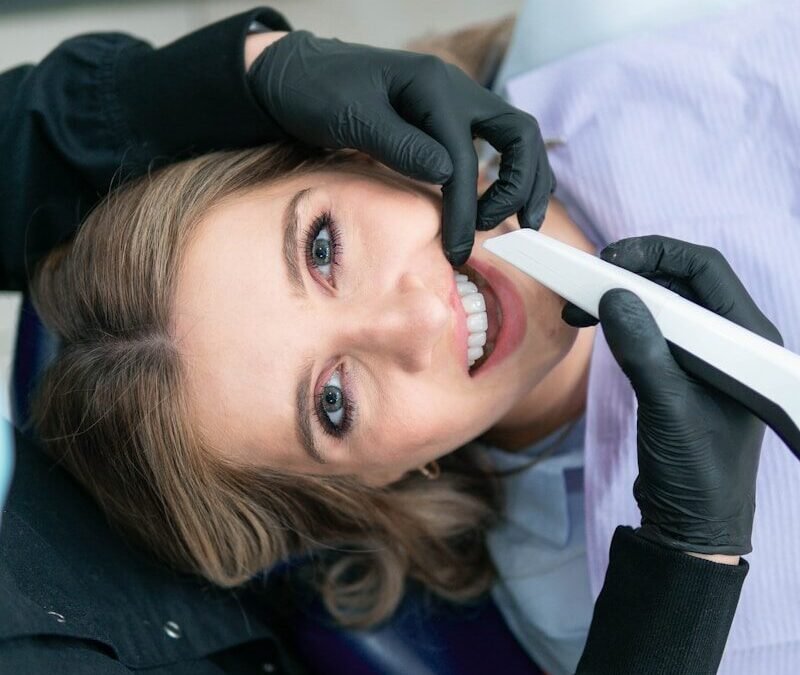
A smile makeover is a personalised treatment plan that combines cosmetic and restorative procedures to improve the appearance, health and function of your smile. It is not a single procedure but a coordinated sequence of two or more treatments, such as whitening, bonding, veneers, crowns, gum reshaping, orthodontics and implants, planned around your goals and oral health.
Why Expectations Matter Before You Begin Treatment
Active dental disease must be treated before cosmetic work. Untreated decay, gum disease, infection or cracked teeth can compromise the safety, appearance and longevity of any restorations placed on top. Setting realistic expectations helps you choose conservative options where possible and understand which steps involve irreversible changes.
Many patients assume a smile makeover is a single procedure or that before-and-after photos guarantee identical results. Outcomes depend on your starting point, oral health, bone and gum support, bite forces, habits such as grinding and your budget. Some procedures are reversible, such as whitening and clear aligners, while others, like veneers, crowns and implants, involve permanent changes.
| Procedure | What it changes | Typical role in a makeover |
| Professional whitening | Tooth colour and brightness | Sets baseline shade before restorations |
| Dental bonding | Minor chips, gaps, shape and colour | Conservative correction of small defects |
| Veneers | Tooth shape, colour, length and alignment appearance | Comprehensive aesthetic upgrade for front teeth |
| Crowns | Strength, shape and appearance of heavily damaged teeth | Restores function and aesthetics on compromised teeth |
| Orthodontics (braces or aligners) | Tooth position and bite alignment | Improves alignment before or instead of restorations |
| Dental implants | Missing teeth and bite support | Replaces missing teeth and stabilises the bite |
The Role of Cosmetic Dentistry Specialists in Shaping Your Results
Cosmetic dentistry specialists blend clinical skill with aesthetic planning. They assess tooth decay, gum health, bone support, bite alignment, jaw joint function, tooth wear, previous restorations, facial proportions, lip line and your expectations. This comprehensive view allows them to sequence treatments so the final smile looks natural and suits your features.
Your dentist may recommend orthodontics before veneers or crowns to reduce the need for tooth reduction and improve bite stability. Whitening usually comes first to set the baseline shade, so later restorations match the desired colour. Gum contouring may follow orthodontics when the gum line is uneven, and restorations such as bonding, veneers or crowns are placed last.
During consultation, the team records high-resolution photographs, X-rays or 3D scans and may use digital smile design to preview proposed changes. This process analyses your facial proportions, lip line and existing teeth to create a personalised blueprint before any drilling or impressions. You can then approve the plan with a clear understanding of benefits, limitations and alternatives.
From Missing Teeth to Full Restoration: What to Expect With Implants
Full-mouth dental implant treatment typically spans three to twelve months, with many cases falling in the five to eight-month range. Osseointegration, where the implant fuses with the jawbone, commonly takes three to six months. If bone grafting is required, healing may extend the timeline to six to twelve months or longer before the final prosthesis is fitted.
Implants can restore chewing function and appearance without preparing adjacent healthy teeth, unlike conventional bridges. After placement, the implant must heal and integrate with the bone. Some patients may need bone or gum grafting before implant placement. The final crown or full-arch prosthesis is placed once the implant is stable and the bite is correctly adjusted.
Full-mouth restoration can replace missing teeth, rebuild badly damaged teeth and re-establish a stable bite. It cannot eliminate all risk of future dental disease, stop natural gum recession or guarantee that restorations will never need maintenance. Smoking, uncontrolled diabetes, active gum disease and poor oral hygiene are associated with poorer implant survival and greater bone loss, so these factors must be addressed before treatment.
| Full-arch implant approach | Typical healing and treatment time | Expected longevity with appropriate care |
| Fixed full-arch bridge on multiple implants (for example, all-on-4 style) | Often three to six months for osseointegration; up to twelve months if grafting is needed | Many function ten years or longer; individual implants may last decades. |
| Implant-supported overdenture (removable on implants) | Similar osseointegration period; attachments may need periodic replacement. | Implants can last decades; overdenture components require maintenance and eventual replacement. |
| Individual implants with separate crowns or bridges | Three to nine months or more depending on grafting and number of stages | Implants can last twenty years or more; crowns and bridges may need replacement over time. |
Brighter, Whiter, More Confident: The Whitening and Finishing Touches
Professional teeth whitening uses hydrogen peroxide or carbamide peroxide products under dental supervision, either in the clinic or through custom take-home trays. It works best for many external stains caused by tea, coffee, tobacco or ageing-related discolouration. It does not change the colour of crowns, veneers, fillings, implants or bonding, so whitening is usually completed before new restorations are made.
Why Results Vary Between Patients and How to Manage Expectations: Common side effects include temporary tooth sensitivity and gum irritation. Whitening should be postponed in patients with untreated decay, gum disease, cracked teeth, exposed roots, severe sensitivity or poorly fitting restorations. Results vary according to the type and depth of staining, enamel condition and compliance with aftercare, so your dentist will explain what shade change is realistic for your teeth.
Maintaining Your Results Long After Treatment Ends: Professional whitening typically lasts one to three years before touch-ups, depending on diet, oral hygiene and habits such as smoking. Consistent brushing and flossing, regular dental check-ups and cleanings, limiting stain-causing foods and drinks and using dentist-recommended maintenance products help prolong the result. If you later place new restorations, they will be matched to your post-whitening shade.
Ready for a Confident New Smile?
If you are exploring dental implants in East Brunswick, NJ, our team at Dental Magik can help you understand which outcomes are realistic for your unique smile goals. Book a consultation today to start planning your transformation.
Sources
- https://www.apollohospitals.com/health-library/smile-makeover
- https://crystalcleardental.com/smile-makeover-process/
- https://acibademinternational.com/health-library/digital-smile-design-what-patients-can-expect-before-cosmetic-dentistry/
- https://www.empoweryoursmile.com/blog/the-comprehensive-guide-to-planning-a-total-smile-makeover
- https://www.dentalartsofatlantis.com/what-to-expect-during-a-digital-smile-design-consultation/
- https://www.myspecialtydentist.com/specialties/prosthodontics/guides/dental-implant-process-timeline
- https://smilecentric.com/truth-about-full-mouth-dental-implants/
- https://dentalmagik.com/services/restorative-dentistry/dental-implants/