
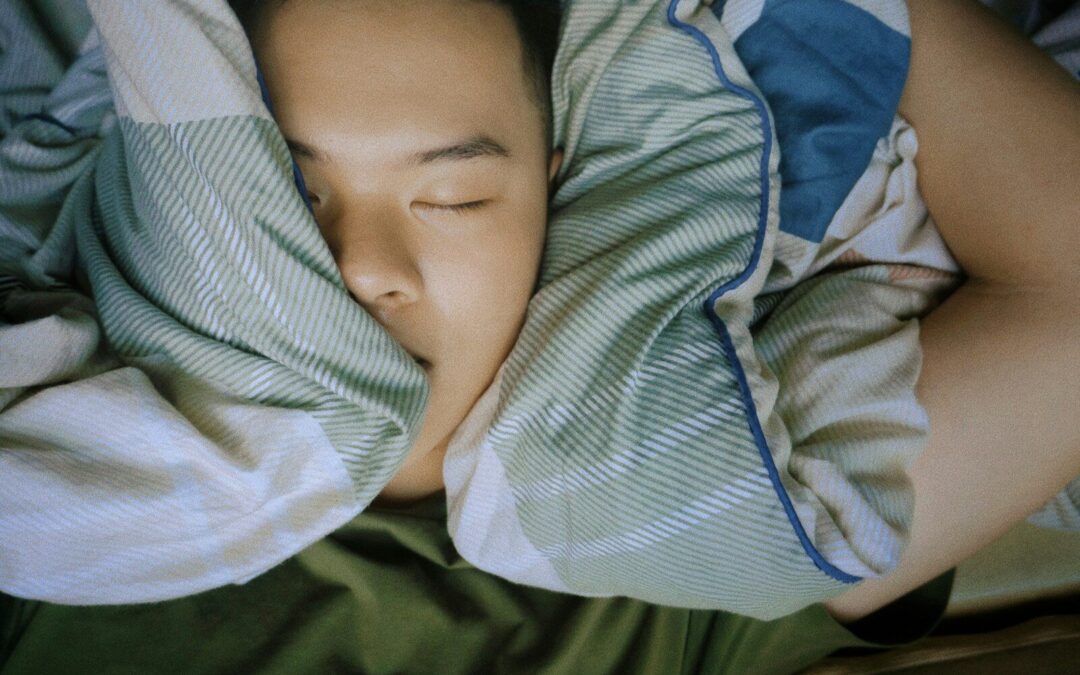
Snoring is not just a problem for the person who snores but affects everyone sharing the bedroom or even nearby rooms, disrupting sleep quality and relationships. This blog will explore why snoring happens and when it becomes concerning, natural lifestyle remedies that reduce snoring, practical techniques and devices that help stop snoring, and how professional dental solutions at Dental Magik in East Brunswick can provide lasting relief.
Understanding Why Snoring Happens and When It Becomes a Problem
Causes of Snoring
Common anatomical and lifestyle-related causes of snoring include multiple factors that narrow the airway during sleep:
Anatomical factors:
- Deviated nasal septum
- Enlarged turbinates
- Nasal polyps
- Enlarged tonsils and adenoids
- Excess tissue in the throat
Lifestyle factors:
- Excess weight
- Alcohol consumption
- Smoking
- Certain medications
- Sleep deprivation
Mechanism of Airway Obstruction
How airway obstruction, nasal congestion, and sleep position contribute to snoring relates to the physical narrowing of breathing passages. Nasal passage obstruction from septum deviation, allergies, sinus infections, or swollen turbinates is among the most common causes of snoring.
When nasal breathing is blocked, the body compensates with mouth breathing, creating greater negative pressure behind the soft palate and uvula. This vibration during sleep produces snoring sounds. Sleeping on your back allows the tongue and soft tissues to collapse backward, further obstructing the airway.
Occasional vs. Chronic Snoring
| Type of Snoring | Characteristics | Concern Level |
| Occasional Snoring | Due to temporary congestion from colds, allergies, or environmental irritants | Generally not concerning |
| Chronic Snoring | Occurs nightly, disrupts sleep, causes daytime fatigue, or involves breathing pauses | May indicate underlying health problems requiring medical attention |
Warning Signs
When snoring may signal an underlying sleep or dental concern includes scenarios where snoring is accompanied by gasping or choking sounds, witnessed breathing pauses, excessive daytime sleepiness, morning headaches, or difficulty concentrating. These symptoms can indicate obstructive sleep apnea, a serious condition requiring professional evaluation and treatment.
Natural and Lifestyle-Based Remedies to Reduce Snoring
- Daily Habit Changes: Proven natural ways to cure snoring through daily habit changes include several evidence-based strategies. Weight management is crucial, as excess weight, especially around the neck, puts pressure on airways during sleep. Even modest weight loss can significantly reduce snoring in overweight individuals. Maintaining proper hydration keeps throat secretions thinner and less likely to cause obstruction.
- Avoiding Evening Triggers: The role of weight management, hydration, and avoiding alcohol before sleep cannot be overstated. Alcohol and sedatives relax throat muscles excessively, increasing airway collapse and snoring intensity. Avoiding alcohol for at least three to four hours before bedtime helps maintain better muscle tone during sleep. Similarly, avoiding heavy meals close to bedtime prevents digestive issues that can worsen snoring.
- Sleep Position Adjustments: How sleep posture adjustments help those searching for how to stop snoring provides immediate relief for many people. Sleeping on your side rather than your back prevents the tongue and soft palate from collapsing backward into the airway. Elevating the head of the bed by four inches or using extra pillows helps keep airways open by reducing backward tongue displacement. Some people use positional therapy devices or simply sew a tennis ball into the back of their pajamas to discourage back sleeping.
- Hygiene and Airway Care: The importance of maintaining nasal and oral hygiene for better airflow includes practices that reduce congestion and inflammation. Steam inhalation before bed clears nasal passages. Nasal irrigation with saline solution removes irritants and reduces inflammation. Treating allergies with appropriate medications keeps nasal passages open. Avoiding mucus-forming foods like dairy products before sleep may also help some individuals.
Practical Techniques and Devices That Help Stop Snoring
Dental and Oral Appliances
The benefits of oral appliances and dental solutions in keeping airways open have been well documented. Mandibular advancement devices (MADs) are the most common type, working by moving the lower jaw forward to create more space in the airway. This forward positioning prevents airway collapse and reduces throat vibration that causes snoring. These devices are flexible, thin, and comfortable, exhibiting documented clinical success in reducing snoring and mild to moderate obstructive sleep apnea.
When Professional Devices Make Sense?
When to consider mouthguards or sleep-related dental devices depends on snoring severity and underlying causes. Custom-fitted oral appliances from dentists are indicated for patients with chronic snoring or diagnosed mild to moderate obstructive sleep apnea. Unlike over-the-counter devices, professionally fitted appliances ensure proper jaw positioning, comfort, and effectiveness while avoiding potential jaw problems from improper fit.
Professional Snoring Solutions at Dental Magik in East Brunswick, NJ
Dr. Hasan Hussaini evaluates snoring from a dental and airway perspective involves a thorough examination of oral and facial structures that affect breathing during sleep. This includes assessing jaw alignment, tongue size and position, soft palate characteristics, tonsil size, and overall airway anatomy. Dr. Hussaini also reviews sleep history, snoring patterns, and any symptoms suggesting sleep apnea to determine appropriate treatment approaches.
Customized dental appliances designed to improve breathing during sleep are precisely fitted to each patient’s unique oral anatomy. These devices gently advance the lower jaw to a therapeutic position that opens the airway while remaining comfortable enough for consistent nightly wear. Each appliance includes adjustable components allowing fine-tuning of jaw position to balance effectiveness with comfort. Follow-up appointments ensure the device continues working optimally as patients adapt to treatment.
Integrated snoring solutions with advanced dental care can be cured at Dental Magik which provides service of installing dental implants in East Brunswik, in NJ. Addressing snoring and sleep breathing issues fits within the broader context of maintaining healthy teeth, gums, and oral structures. Patients receiving dental implants in East Brunswick, NJ, or other restorative treatments benefit from coordinated care that considers how oral health affects and is affected by breathing and sleep quality.