
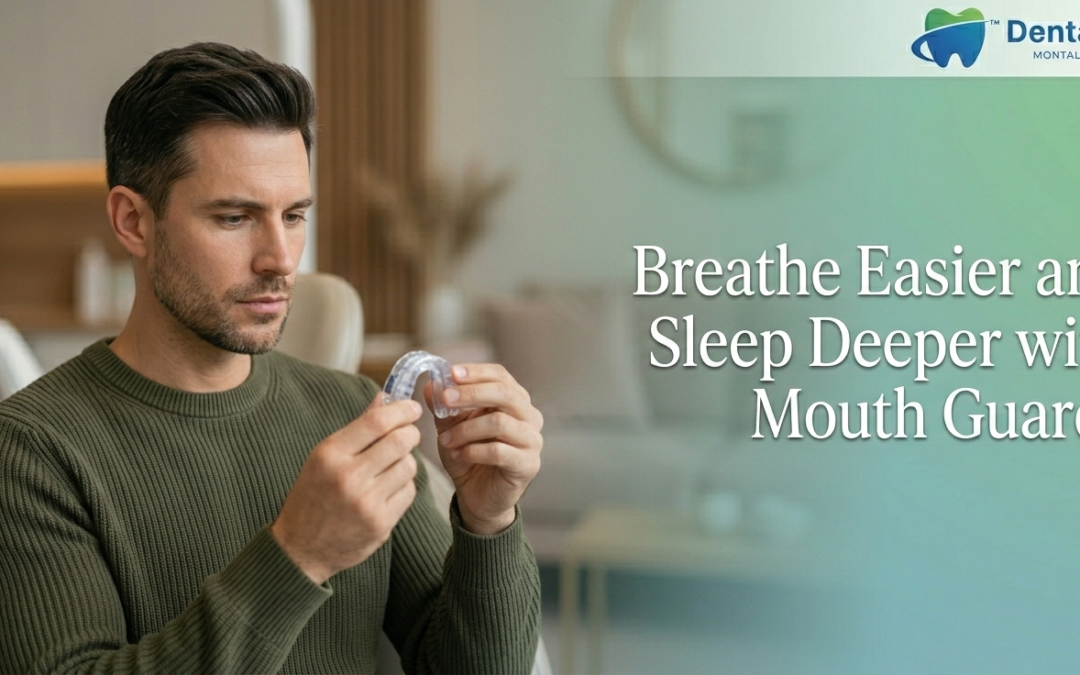
An apnea mouth guard, also known as an oral appliance or mandibular advancement device, is a dental device designed to treat obstructive sleep apnea (OSA) and snoring by repositioning the lower jaw and tongue to keep the airway open during sleep. Unlike CPAP machines that use continuous air pressure, these custom-fitted devices work mechanically by moving the jaw forward to prevent throat tissues from collapsing and blocking breathing.
This blog will discuss five key benefits of using an apnea mouth guard, from improved sleep quality and breathing to long-term oral health advantages, helping you understand why this treatment option may be right for managing your sleep apnea.
Benefit #1: Improved Breathing and Sleep Quality
Maintaining an Open Airway
A mouthguard for apnea helps maintain an open airway during sleep by physically repositioning the lower jaw forward, which prevents the soft tissues at the back of the throat from collapsing and obstructing breathing passages. By keeping the tongue in place and reducing airway obstruction, the device allows smooth breathing patterns that promote more even airflow throughout the night.
Reducing Sleep Disruptions
Research has found that sleep apnea oral appliances provide measurable benefits, including reduction in snoring, interrupted breathing, and nighttime awakenings. These devices significantly reduce the number of apneas (complete pauses in breathing) and hypopneas (episodes of shallow breathing) that characterize obstructive sleep apnea. By preventing the repeated breathing interruptions that cause people to wake gasping for air, mouth guards enable more continuous, restorative sleep cycles.
Enhanced Oxygen and Alertness
Improved oxygen intake and its effect on deep sleep and daily alertness represent one of the most important health benefits. Studies show that sleep apnea mouth guards significantly improve blood oxygen levels, preventing the dangerous drops in oxygen saturation that occur during apnea episodes. With consistent oxygen flow, users experience better quality deep sleep and wake feeling more rested and energized. The Sleep Foundation notes that oral appliances also reduce daytime sleepiness, decreasing the likelihood of falling asleep while driving or operating machinery. Patients may additionally experience regulated blood pressure and overall improvement in quality of life.
Benefit #2: Comfortable and Non-Invasive Sleep Apnea Solution
Comparison to CPAP Therapy
How a dental mouthpiece for sleep apnea works compared to CPAP therapy highlights fundamental differences in approach. While CPAP machines use continuous airflow to keep airways open through a mask connected to a machine, mouth guards work mechanically by realigning the jaw without requiring electricity, hoses, or pressurized air. For individuals with mild to moderate sleep apnea, mouth guards provide an effective solution that many find more tolerable than CPAP equipment.
Practical Advantages
Ease of use, portability, and comfort for consistent nightly wear make mouth guards particularly appealing. Custom-made by dentists, these oral appliances are compact, silent, and easy to travel with, unlike bulkier CPAP machines. Many users find mouth guards more comfortable and easier to adjust to than wearing a CPAP mask, leading to better treatment adherence. The lack of noise, cords, and facial apparatus allows for greater freedom of movement during sleep and eliminates concerns about mask leaks or skin irritation.
Combined Therapy Options
Situations where a mouthguard with CPAP delivers combined benefits do exist. Some patients with more severe sleep apnea who struggle with CPAP compliance may benefit from combination therapy, using both devices to achieve optimal airway management. Dental professionals can work with sleep medicine specialists to coordinate such treatment approaches when appropriate for individual cases.
Benefit #3: Easy Maintenance and Long-Term Usability
Effective Cleaning Protocol
Step-by-step guidance on how to clean a sleep apnea mouth guard effectively is essential for device longevity and oral health. The recommended cleaning routine includes
- Clean the appliance immediately in the morning after removal from your mouth.
- Use a soft-bristled toothbrush (not your regular toothbrush) to gently scrub the device.
- Avoid using toothpaste, as abrasives can scratch and damage the appliance.
- Instead, use mild soap or denture cleaner with warm (not hot) water.
- Thoroughly rinse the device to remove all cleaning residue.
- Take time to reach every nook and cranny to ensure complete cleaning.
- Allow the appliance to air dry completely before storage.
- Clean the device twice daily, both morning and night, for optimal hygiene.
Health Protection
Preventing odor, bacteria buildup, and oral infections requires consistent cleaning habits. Regular, thorough cleaning removes bacterial accumulations that cause foul odors and can lead to gum disease, tooth decay, or oral infections. Neglecting proper hygiene allows harmful bacteria to multiply on the device’s surface, which then transfers directly into your mouth during wear.
Long-Term Care
The importance of durability and routine dental checkups for appliance care cannot be overlooked. Quality custom-fitted mouth guards are designed for durability with proper maintenance, but they do experience wear over time. Regular dental visits allow your dentist to inspect the appliance for damage, ensure proper fit as your mouth changes, and make necessary adjustments to maintain treatment effectiveness.
Benefit #4: Improved Oral and Jaw Health Over Time
Reducing Bruxism and TMJ Strain
How proper jaw positioning reduces teeth grinding and TMJ strain represents an often-overlooked benefit. Many people with sleep apnea also experience bruxism (teeth grinding), which damages teeth and stresses jaw joints. A properly fitted sleep apnea mouth guard positions the jaw in a way that can reduce grinding behavior while simultaneously treating breathing problems, providing dual therapeutic benefits.
Bite and Muscle Benefits
The impact on bite alignment and reduced pressure on facial muscles occurs gradually with consistent use. By maintaining the lower jaw in a slightly forward position, these appliances can help distribute bite forces more evenly and reduce strain on the temporomandibular joints and surrounding muscles. Some patients report decreased jaw pain and headaches after adapting to their oral appliance.
Professional Monitoring
Dentist-supervised adjustments for long-term oral comfort ensure that the appliance continues to fit properly and function effectively without causing unintended dental changes. Regular monitoring allows the dental team to address any emerging issues before they become problematic, such as tooth movement, bite changes, or appliance wear that reduces effectiveness.
Benefit #5: Dentist-Supervised Treatment for All Age Groups
Custom Fitting Advantages
Advantages of custom-fitted mouthguards over generic devices are substantial and directly impact treatment success. Generic, over-the-counter devices rarely fit properly and may not provide adequate jaw advancement to effectively treat sleep apnea. Custom appliances are created from precise impressions of your teeth and designed specifically for your jaw structure, ensuring optimal fit, comfort, and therapeutic effectiveness. Professional fabrication also allows for ongoing adjustments as needed to maintain proper function.
Comprehensive Monitoring
Monitoring jaw alignment, bite stability, and oral health throughout treatment ensures both effectiveness and safety. Dentists trained in sleep medicine track how the appliance affects tooth position, bite relationships, and overall oral health over time. This professional oversight identifies potential complications early and allows for intervention before permanent changes occur.
Dental Magik’s Integrated Approach
The role of Dental Magik in East Brunswick under Dr. Hasan Hussaini demonstrates how sleep apnea treatment integrates with comprehensive dental care. As a pediatric dentist east brunswick practice, Dental Magik recognizes that sleep-disordered breathing affects patients of all ages, from children with developing airways to adults with established sleep apnea.
Early identification of airway problems and breathing difficulties during dental examinations allows for timely intervention that may prevent more serious sleep apnea later in life. By combining expertise in oral development, airway assessment, and preventive care, practices like Dental Magik provide comprehensive treatment that addresses both immediate sleep concerns and long-term oral health outcomes for patients across all life stages.
Cited Sources
- https://www.sleepfoundation.org/sleep-apnea/sleep-apnea-mouth-guard
- https://my.clevelandclinic.org/health/treatments/21129-oral-appliance-therapy-for-sleep-apnea
- https://www.coronadodentistry.com/blog/sleep-apnea-mouth-guards-for-better-sleep-and-health/
- https://2thdoc.org/3-signs-a-custom-mouth-guard-is-good-for-sleep-apnea/
- https://www.gbdentistry.com/blog/snoring-mouth-guard-vs-cpap-best-choice/
- https://icardandstreinfamilydentistry.com/tips-to-keep-your-apnea-guard-clean/
- https://www.murrayschollsfamilydental.com/can-mouth-guards-help-sleep-apnea/
- https://norwood-dental.com/sleep-apnea-mouth-guard-vs-cpap/
- https://byebyecpap.com/cleaning-care/